Hai Van Pass, often hailed as one of the most scenic coastal roads in Vietnam, is a must-ride destination for motorbike enthusiasts. Winding along lush mountainsides and overlooking the vast East Sea, this historic mountain pass offers not only thrilling curves but also jaw-dropping panoramic views. Exploring Hai Van Pass by motorcycle is the ultimate way to embrace the freedom of the open road while immersing yourself in Vietnam’s raw natural beauty and rich history. Whether you’re a seasoned rider or an adventurous traveler, this unforgettable journey promises excitement at every turn.
Crossing Hai Van Pass by motorbike is always the most enjoyable feeling. Not only can you enjoy the panoramic view of the vast and vast nature of the sea, the sky, the clouds and the mountains. It’s also about experimenting and challenging yourself. However, not everyone can drive up the pass, somewhere there is always a scary danger lurking…
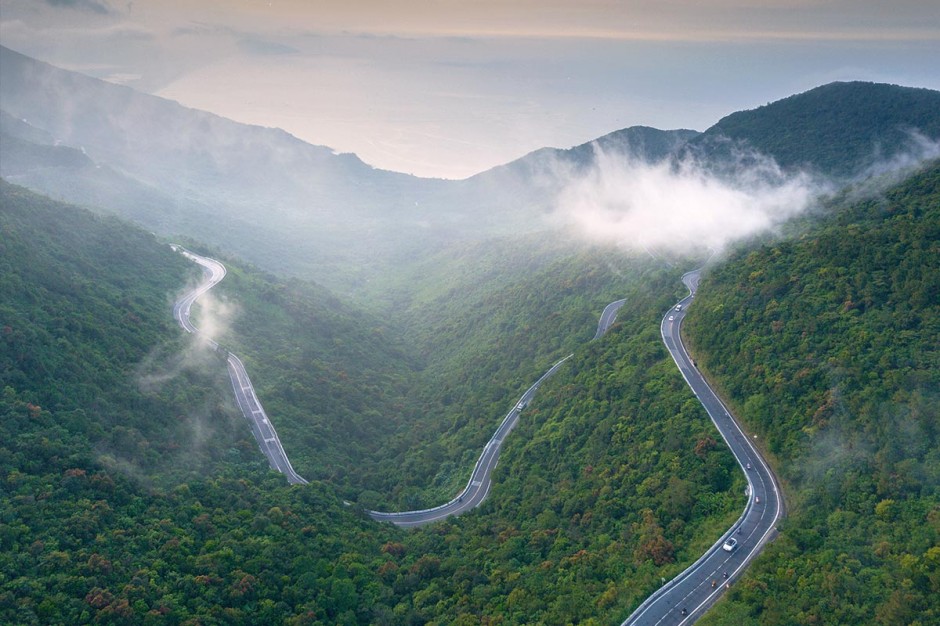
If you are planning to go on a motorbike trip to Hai Van Pass, please record some of the experiences that Vietnam Car Rental has summarized below!
Essential Motorbike Guide to Exploring Hai Van Pass
What to Pack
Before hitting the road, be sure to pack these essential items:
- Face mask or neck gaiter
- Windbreaker or light jacket
- Sunglasses or riding glasses
- Sunscreen and moisturizer
- Long socks and gloves
- A warm hat or beanie
- Water bottle and light snacks
These items will protect you from sun, wind, and dust throughout your ride. Sunscreen and moisturizer are especially important for women (and anyone with sensitive skin)—the long hours in open air can be drying and damaging without proper protection.
Check Your Motorcycle Before the Ride
Before embarking on your Hai Van Pass motorbike adventure, it’s crucial to thoroughly inspect your motorcycle to ensure a safe and smooth journey. Check the essentials:
- Brakes: Make sure both front and rear brakes respond well.
- Lights: Headlights, brake lights, and indicators should all be working properly.
- Tires: Inspect for wear and tear. If the tread is too worn, replace the tires to avoid slipping or flat tires during sharp turns.
- Fuel: Fill your tank before you hit the road—there are no fuel stations or repair shops along the pass.
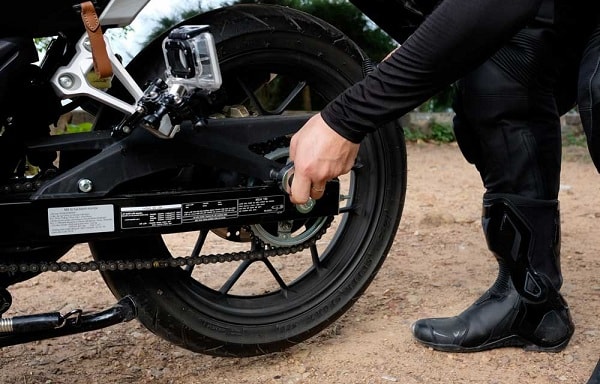
Since Hai Van Pass is long and remote, any mechanical issue could cost you time and comfort. To stay prepared, bring along basic repair tools like a tire patch kit, chain lube or tensioner, and multi-tool gear. These items could be a lifesaver if you encounter minor breakdowns during your ride.
Essential Safety Tips When Riding Hai Van Pass by Motorbike
Exploring Hai Van Pass on a motorbike is a breathtaking experience, but it also requires caution and awareness to ensure a safe journey. The road is filled with sharp curves, steep slopes, and unpredictable weather conditions. To help you stay safe while enjoying the adventure, keep the following warnings in mind:
Use your horn when approaching blind corners. This is especially important on winding mountain roads, as it alerts oncoming vehicles of your presence and helps prevent potential collisions.
Always maintain a safe distance from the vehicle in front. Sudden braking on a mountain pass can be dangerous if you’re following too closely.
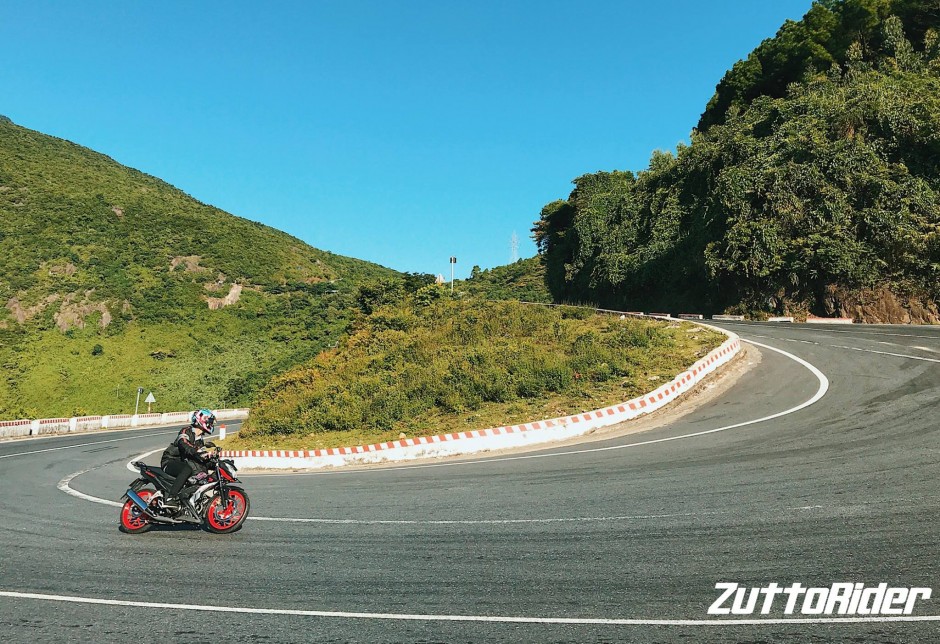
Avoid cornering too wide. Many sections of the pass are narrow and steep—hugging a wide curve may cause your tires to lose grip or put you directly in the path of oncoming traffic.
Before riding uphill, shift to a lower gear in advance. As you approach a steep incline, it’s best to gear down about 40 to 50 meters beforehand and maintain a steady speed around 40–50 km/h. This helps your bike handle the slope more efficiently.
Ride at a controlled and consistent speed. Avoid going too fast or too slow. A moderate pace allows you to react quickly to unexpected obstacles or sudden changes in the road.
Regularly check your rearview mirrors. Staying aware of traffic behind you allows you to position yourself safely and make necessary adjustments while navigating the curves.
Avoid riding the pass at night. Visibility drops significantly due to fog, and the limited brightness of motorbike headlights makes it harder to see road hazards. For your safety, plan your journey during daylight hours.
Scenic Views from the Top of Hai Van Pass
Reaching the summit of Hai Van Pass is the perfect moment to pause, breathe in the fresh mountain air, and take in the stunning scenery around you. At the crest, don’t miss a visit to Hai Van Gate (Hai Van Quan), a historic relic built by Emperor Minh Mang in 1826. This ancient structure marks the boundary between Hue and Da Nang and stands as a reminder of Vietnam’s imperial past.
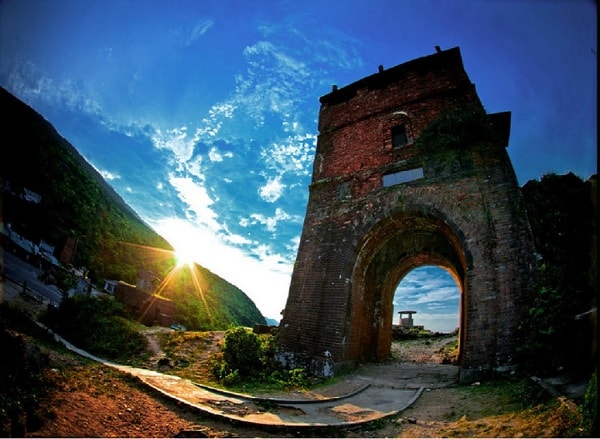
From this vantage point, you’ll be rewarded with sweeping views of Da Nang City stretching out below—peaceful, modern, and framed by ocean and mountains. On clear days, you can even watch the clouds drift beneath your feet, creating an almost surreal experience.
Turn your gaze northward, and you’ll be greeted by the breathtaking beauty of Lang Co Bay and the tranquil Lap An Lagoon—two of Central Vietnam’s most picturesque natural treasures. It’s a perfect spot to capture unforgettable photos or simply lose yourself in the majesty of nature.
Important Tips for Riding Down Hai Van Pass
Before descending Hai Van Pass, take a moment to check your motorbike again to ensure everything is in proper working order. This step is crucial for your safety, especially on steep and winding roads.
When riding downhill, always keep your speed slow and controlled. Use low gears—typically first or second gear—to help manage your descent. If you’re riding a manual motorbike, avoid coasting with the clutch or braking continuously, as this can lead to loss of control and increased risk of accidents.
Should you want to stop and take photos, make sure to pull over safely and park your bike close to the roadside—away from traffic—to avoid obstructing others and to stay safe.
Descending Hai Van Pass can be just as thrilling as climbing it, as long as you stay alert and ride responsibly.
Final Thoughts
Above are some essential tips and insights for exploring Hai Van Pass by motorbike, carefully compiled by Vietnam Car Rental’s. We hope this guide helps you have a safe, smooth, and unforgettable journey through one of Vietnam’s most scenic routes.
Wishing you an exciting ride and beautiful memories on the road!