
Hue tourism not only offers poetic natural landscapes but also preserves the rich cultural and historical heritage of the Nguyen Dynasty. Among its most iconic landmarks is the Hue Imperial City – a unique and ancient architectural masterpiece. Join us as we explore this must-visit destination and uncover the legacy of Vietnam’s former imperial capital.
General Introduction to Hue Imperial City
Where is Hue Imperial City Located?
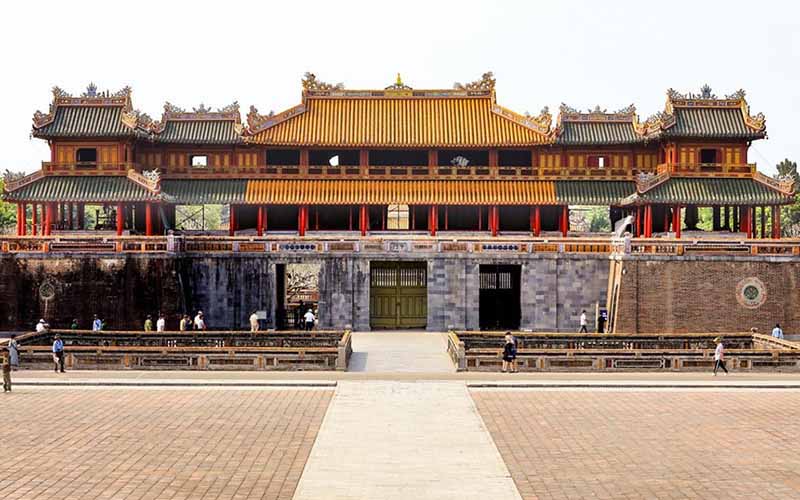
The Hue Imperial City is situated in the heart of Hue City, Thua Thien Hue Province, peacefully resting along the banks of the poetic Perfume River. As a part of the Complex of Hue Monuments, this historic site lies just about 1 kilometer west of Truong Tien Bridge and is easily accessible by various modes of transportation.
Why is the Hue Imperial City Significant?
The Hue Imperial City was not only the political and administrative center of the Nguyen Dynasty (1802–1945) but also stands as a powerful symbol of Vietnam’s royal heritage and courtly traditions. It once served as the residence and workplace of emperors, royal families, and high-ranking mandarins.
- Historical Importance: This was the setting for many pivotal events, including coronation ceremonies, royal receptions, and official court meetings during the Nguyen era.
- Unique Architecture: The complex reflects traditional Eastern feng shui principles and showcases a blend of Vietnamese architectural artistry with subtle influences from Chinese design.
- World Cultural Heritage: Recognized by UNESCO in 1993, it remains one of Vietnam’s most treasured heritage sites and a must-visit destination for cultural and historical exploration.
History and architectural features of Hue Imperial City
History and Development of the Hue Imperial City
The Hue Imperial City was not built overnight—it took shape over several stages, from the reign of Emperor Gia Long in 1802 to the era of Emperor Minh Mang in 1832.
Construction Process of the Imperial City
- 1803: Emperor Gia Long chose Hue as the capital of Vietnam and began construction of a fortified citadel system, including the Imperial City.
- 1804–1832: Over nearly three decades, the complex gradually took form with key structures such as the Imperial City (Hoàng Thành), Forbidden Purple City (Tử Cấm Thành), and numerous royal buildings.
- 1945: After Emperor Bao Dai’s abdication, the Imperial City ceased functioning as a royal seat and was recognized as a historical relic.
- 1993: UNESCO designated the Complex of Hue Monuments, with the Imperial City at its core, as a World Cultural Heritage Site.
Architectural Design and Layout
The Hue Imperial City was built according to strict feng shui principles, oriented along a north-south axis. Its fortified structure consists of three concentric defensive walls:
- Capital Citadel (Kinh Thành): Encloses administrative offices and residential areas.
- Imperial City (Hoàng Thành): The second layer, protecting the royal palaces and shrines.
- Forbidden Purple City (Tử Cấm Thành): The innermost zone, reserved for the emperor’s residence and workspaces.
Major Restoration Periods
- 1947–1975: The site suffered significant damage due to war, leading to the loss of many original structures.
- 1993–Present: Extensive restoration efforts have been carried out by the Vietnamese government in collaboration with UNESCO, successfully restoring around 80% of the original architecture.
Discover the outstanding architecture of Hue Imperial City
With extremely special architecture, this place is very attractive to tourists when visiting the ancient capital of Hue:
Ngo Mon Gate
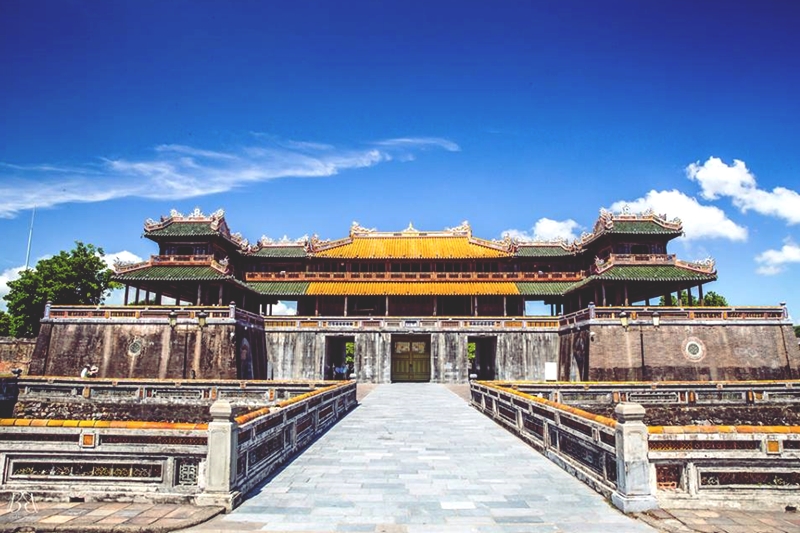
This work was built extremely massive and magnificent with very elaborate and sophisticated cultural lines. Ngo Mon is not simply an entrance gate but also a representative part of the Imperial Citadel of Hue Citadel. Over the past two centuries, this place has witnessed many historical milestones of the Vietnamese nation.
Thai Hoa palace
Thai Hoa Palace is a symbol of the Nguyen Dynasty, the most important building where important court lectures took place. The art of royal architecture and materials are made of ironwood with extremely delicate carving lines. All have made extremely important features of the Nguyen court.
Dai Cung Mon
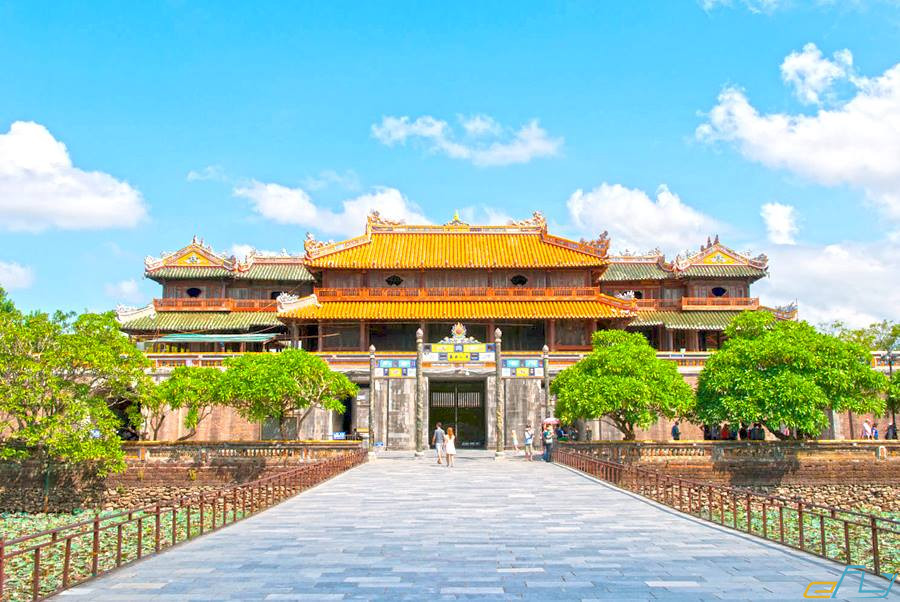
This is the main door to the Forbidden City built in 1833, including 5 compartments and 3 doors. This work was destroyed by the war due to the war and is currently being researched and restored by the Hue Monuments Conservation Center.
Ta Vu and Huu Vu
These are two buildings opposite Can Chanh built in the 19th century as a place to prepare ceremonies and organize competitions in the Nguyen Dynasty. These two buildings are left after the site is now being preserved for visitors to take pictures.
When is the right time to visit Hue Imperial City?
According to Hue travel experience, you should choose to visit the Citadel at the right time, you will feel more fully.
Spring: This is a very suitable time for you to visit Hue, at this time you will see the scenery extremely poetic and lyrical. Spring will last from January to March, the weather is very cool and fresh.
Festival season: April to June is the time when many festivals take place. Therefore, you will feel the beauty of the ancient capital more. Spectacular carnival programs combined with traditional costumes are performed. You will see the inherent beauty of this ancient capital.
Rainy season: If you go in the rainy season from September to December, you will face a lot of difficulties in moving around in the Citadel.
Directions to Hue Imperial City
Hue Citadel is located right in the city center, so the way to get here is also very easy. Therefore, you can visit places by many different means. You can choose to rent bicycles, cyclos to enjoy the scenery, if you are traveling with elderly people or children, you should take a taxi or a tourist car. Motorbikes are the most popular means of transport for tourists because of the reasonable price, you can take the initiative to visit more.
To move to Hue Citadel, you start from the center, go along the south bank of the Perfume River, then cross Truong Tien Bridge, pass Bach Ho and then go to Quang Duc Street to arrive at Hue Citadel.
Interesting experiences when coming to Hue Imperial City
Visiting architectural works by cyclo
An extremely interesting experience when you come to Hue is going to see the Citadel area by cyclo. It is a very reasonable choice when you are a lazy person to walk. The Citadel is extremely large, you will be able to visit it completely while saving time and discovering many new things.
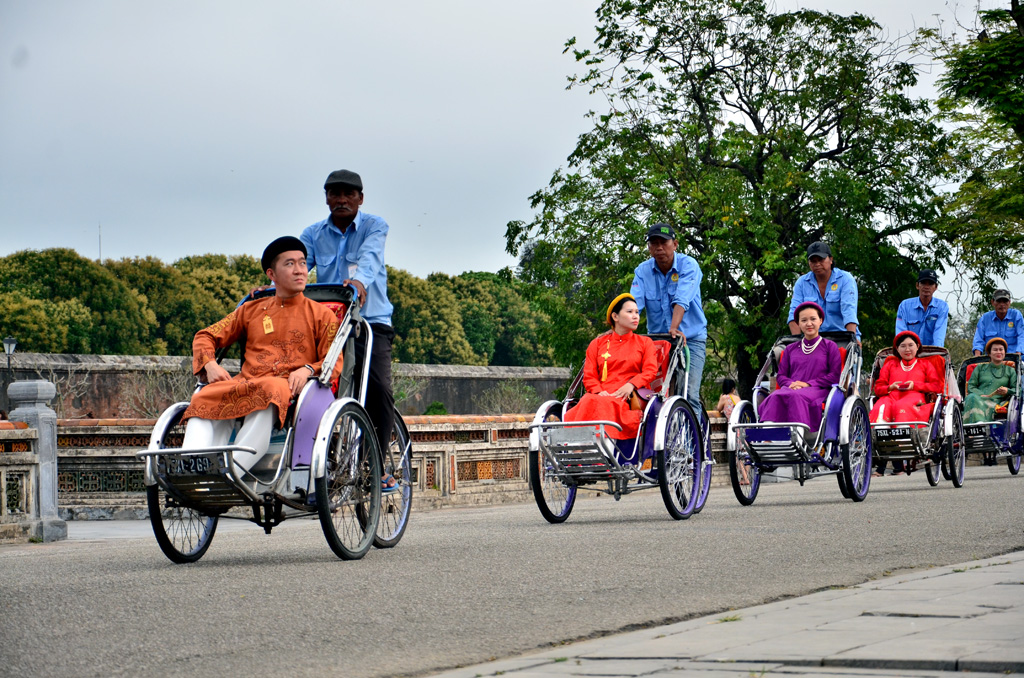
The price of cyclo rental will range from 30,000 – 50,000 VND for a visit to the Citadel. Renting a cyclo can also help you feel more comfortable and protect the environment. Please experience this form of sightseeing for a more reasonable experience.
The system of mausoleums, monumental palaces
Inside Hue Citadel, there are many places to visit including tombs and palaces of kings. Especially, these destinations all have a historical beauty that leaves many impressions for visitors. These works all carry the typical art of the ancient dynasty, bringing a deep feeling that future descendants need to promote and inherit.
Sightseeing Hue Citadel at night
Night in Hue is an extremely ideal time to see the beauty of Hue Imperial City. When night falls, this is also the time when this place has a poetic beauty. Around the flagpole citadel in the Citadel, many people gathered to enjoy the wind and take pictures.
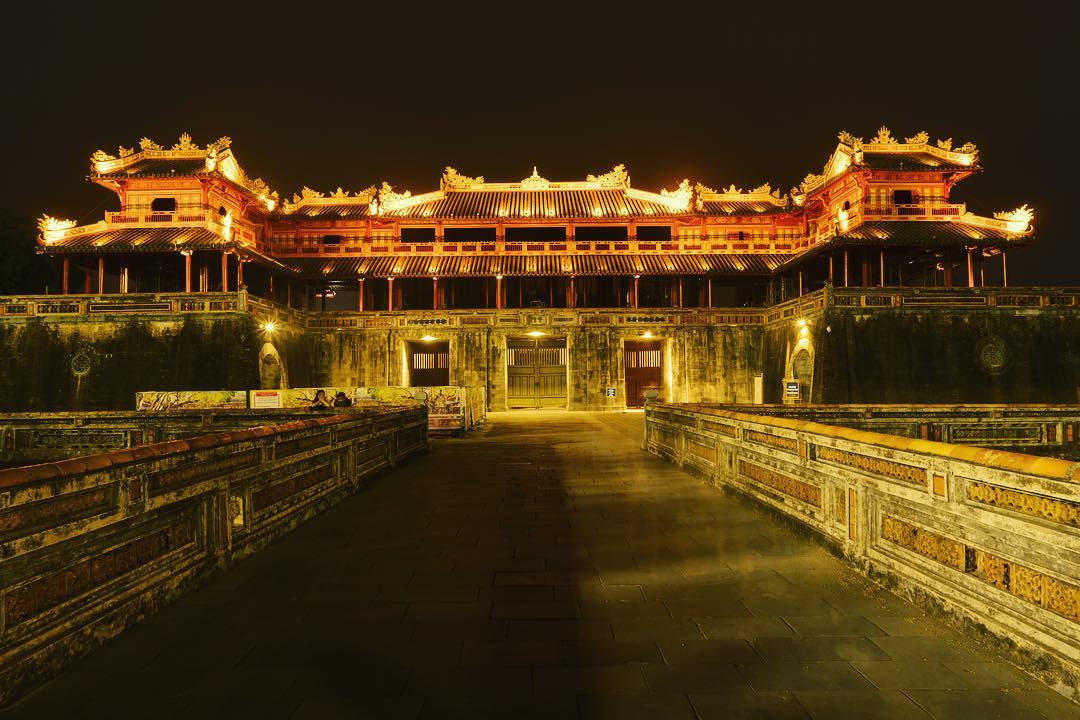
The night scene of the Citadel was brilliant with colorful lights becoming splendid. Many people have compared this place to an ancient town in the heart of the ancient capital. You definitely have to capture the most memorable moment at this moment.
Enjoy a delicious cup of tea at Dien Tho Palace
Another prominent place is Dien Tho Palace in the imperial citadel. You will experience an extremely interesting activity that is enjoying tea right at the garden terrace. You will be able to see the very peaceful scenery a lot of people enjoy and feel relaxed when coming here
Royal festival activities in the Hue Imperial City
Since ancient times, this place has preserved many traditional cultural beauty from a long time ago in the old feudal dynasties. Especially, the royal culture handed down in the Nguyen Dynasty was still intact at that time. The royal ceremonies all create a lively and interesting atmosphere that attracts many tourists.
If you have the opportunity to come to Hue during the festival season, you will admire a very new scene. Hue Festival Festival will be held every year in June or April with a lively atmosphere with many unique art performances. This has attracted many tourists to come here.
Ticket price list to visit Hue Imperial City
Fares for Hue Citadel are regulated depending on age, such as:
- Ticket price for adults: 200,000 VND/person.
- Ticket price for children: 40,000 VND/person.
- Ticket price for foreign guests: 200,000 VND/person.
Opening hours to visit Hue Citadel are as follows:
- Opening hours in the summer: 6:30 – 17:30.
- Opening hours in winter: 7:00 am – 5:00 pm.
What to eat when traveling to Hue Imperial City?
Talking about Hue specialties , everyone knows that this is the outstanding culinary source in Vietnam. With a variety of dishes are carefully prepared and many different flavors have given visitors an indescribable feeling.
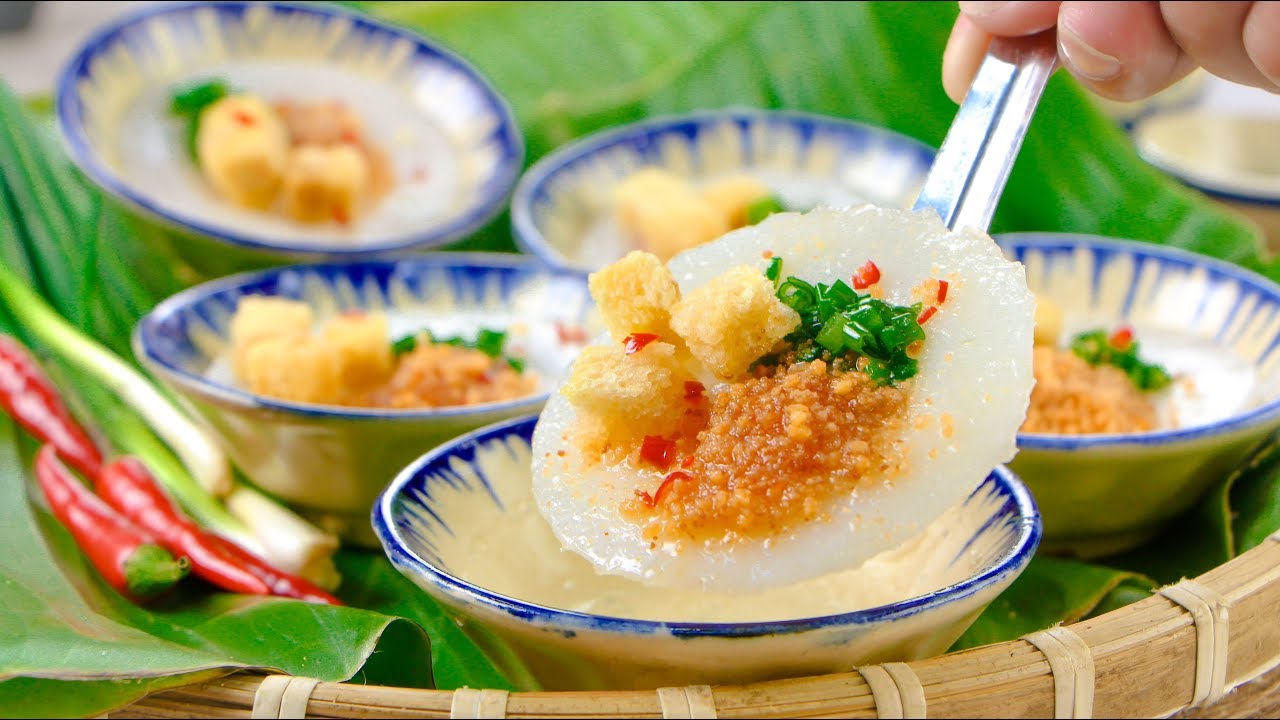
Especially coming to Hue, you must definitely try famous dishes such as: Hue beef noodle soup, mussel rice, banh Khoai, roasted pork roll, etc. In addition to the filling dishes, you can enjoy other side dishes. such as Hue tea, banh beo, filter cake, etc.
Important notes when visiting Hue Imperial City
When visiting the Hue Imperial City, you should note the following to avoid affecting the trip:
- Hue Citadel is very large with many places to visit you cannot miss, so you should prepare according to the map and understand the diagram to get lost.
- You have to move a lot, so choose light, easy-to-move clothes and be polite and not offensive when coming here.
- During the tour, you should comply with the regulations of Hue Citadel such as not to take photos, record videos, or touch artifacts.
- Every visitor who comes here should remember to keep the general hygiene and not throw garbage indiscriminately.
When you come to Hue to visit Hue Citadel, you should save the information that I have shared above. This place contains a lot of national historical values from culture to architecture. Wishing you a meaningful and fulfilling journey ahead.
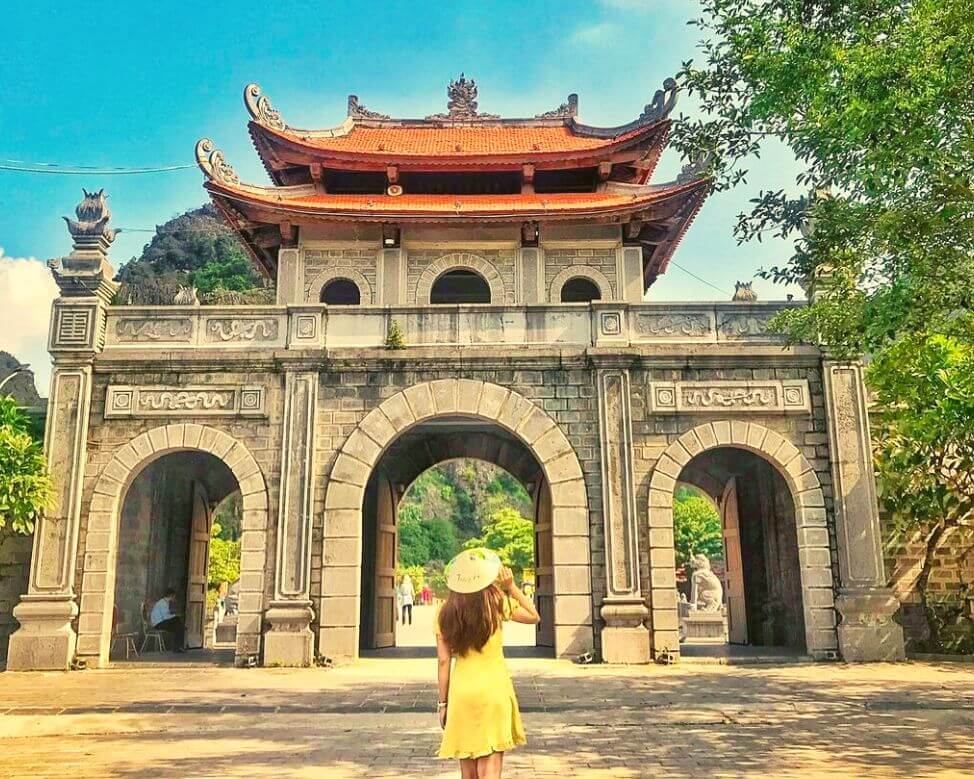


[…] Imperial City, also known as Hue Citadel or the Imperial Palace, is a famous tourist attraction and a masterpiece of Nguyen Dynasty’s […]
[…] many grand and magnificent architectural features from the Nguyen dynasty’s feudal era, the Imperial City of Hue not only preserves valuable cultural and historical aspects but also serves as an enticing tourist […]
[…] Hue Imperial City is the largest complex of imperial architecture in Vietnam and is recognized as a UNESCO World Heritage Site. It is a renowned tourist destination in Vietnam, attracting millions of visitors each year. Here, tourists can admire countless unique architectural structures, such as Ngọ Môn Gate, The Mieu, and Cuu Dinh. […]
[…] Mon Gate is the main gate on the southern side of the Imperial Citadel, part of the Nguyen Dynasty architectural complex in the former capital city of Hue. “Ngo […]
[…] Hue capital […]
[…] addition, you can stop by the Imperial City of Hue to take some check-in photos and capture the beauty of the nation’s history. With preserved […]
[…] Trang Tien Bridge. With its central location, you will easily spot it while traveling towards the Imperial City of Hue and Thien Mu […]
[…] Tho Palace – the most magnificent structure in the Imperial City of Hue, still retains the distinctive architectural features of the Nguyen Dynasty. The palace has a […]