Dragon Wharf (Nha Rong Wharf) is one of the famous landmarks with great significance in the history of Vietnam. It was here that President Ho Chi Minh began his 30-year journey to find a way to save the country for the nation.
Where is Nha Rong Wharf? Information about Dragon Wharf (Nha Rong Wharf)
Address: No. 01 Nguyen Tat Thanh – Ward 12 – District 4 – City. Ho Chi Minh;
Opening time: From Tuesday to Sunday every week;
Business hours:
- Morning: 7:30 – 11:30;
- Afternoon: 13:30 – 17:00;
Dragon Wharf (Nha Rong Wharf) ticket price: 20,000 VND/person;
The current address of Dragon Wharf – Ho Chi Minh Museum (HCMC Branch) is 01 Nguyen Tat Thanh Street, Ward 12, District 4, Ho Chi Minh City.
Dragon Wharf was once the main commercial port of Saigon, built on the Saigon River in 1864. It is also known as Ho Chi Minh Wharf for its western-style building. The name Dragon Wharf comes from the two dragon statues on its roof. This was the first structure built by the French after they took control of Saigon.
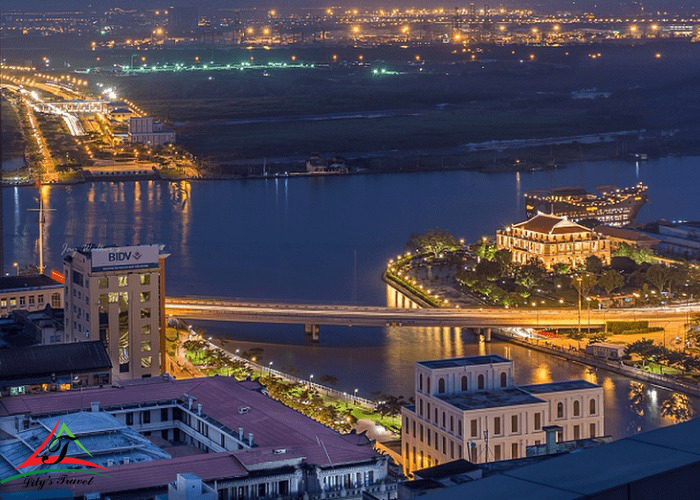
In 1955, the government of the Republic of Vietnam repaired the building. They renovated the roof and replaced the two old dragons with new ones, repositioning their heads. Since then, the architecture has changed very little.
After 1975, the Vietnamese government converted Dragon Wharf into the Ho Chi Minh Memorial House. Later, in 1995, it was renovated again and became the Ho Chi Minh Museum. The museum displays many artifacts related to President Ho Chi Minh under the theme “President Ho Chi Minh’s Affection for the South and the South’s Affection for President Ho Chi Minh.”
How to Get to Dragon Wharf?
If you’re looking for a new experience, you can take the Waterbus to Dragon Wharf.
For a faster option, you can rent a motorbike to get to Dragon Wharf. This is the easiest way to explore the historical landmarks of the area. Renting a motorbike or hiring a private car with a driver in Ho Chi Minh City is the most ideal and fastest option to take you directly to Dragon Wharf. The entrance to Dragon Wharf is at the foot of Khanh Hoi Bridge. From Ben Thanh Market, head to the intersection and turn onto Ham Nghi Street. Continue straight down Ham Nghi Street to the foot of Khanh Hoi Bridge. Cross the bridge and on the other side, look to the left to find Dragon Wharf.
Buses are also a popular transportation choice for visitors to Dragon Wharf, with the advantage of being inexpensive. Bus routes that pass by Dragon Wharf include 02, 03, 19, 56, and others.
What Can You Discover at Dragon Wharf?
Aside from the question, “Where is Dragon Wharf?”, you’re probably curious about what exciting things this destination has to offer. Let’s explore the highlights of this iconic site together with VnCarRentals.com!
Impressive Architecture
Nha Rong Wharf is currently undergoing renovations and upgrades, which include key areas such as the Ho Chi Minh Museum, the Ho Chi Minh Memorial Hall, a fountain, and the port’s courtyard.
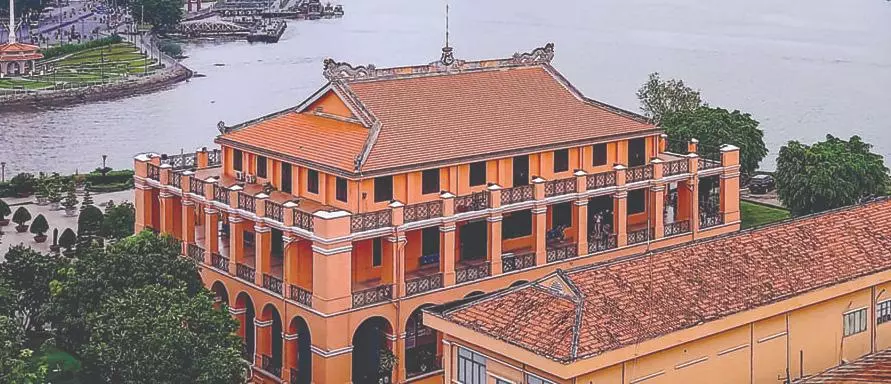
The Ho Chi Minh Museum features seven exhibition rooms on the first and second floors, along with eight galleries covering over 1,500 square meters. The dragon-shaped roof follows the famous “luong long chau nguyet” motif, often seen in Vietnamese temples and communal houses.
Thanks to its unique architecture, the site is affectionately called Ho Chi Minh by locals. This name reflects its deep cultural and historical value.
Exhibition of Historical Artifacts
Dragon Wharf – Ho Chi Minh Museum (HCMC Branch) has been renamed the Ho Chi Minh Museum. It is one of the branches in the national system of museums and monuments dedicated to President Ho Chi Minh. Initially, the museum featured 3 exhibition rooms (250m²) at its founding. After several upgrades, it now consists of 9 rooms with a total exhibition area of 1,482.62m² following renovations in 1990 and 1995. Additionally, it houses two storage facilities containing 10,927 documents, relics, and 450 outdoor artifacts.
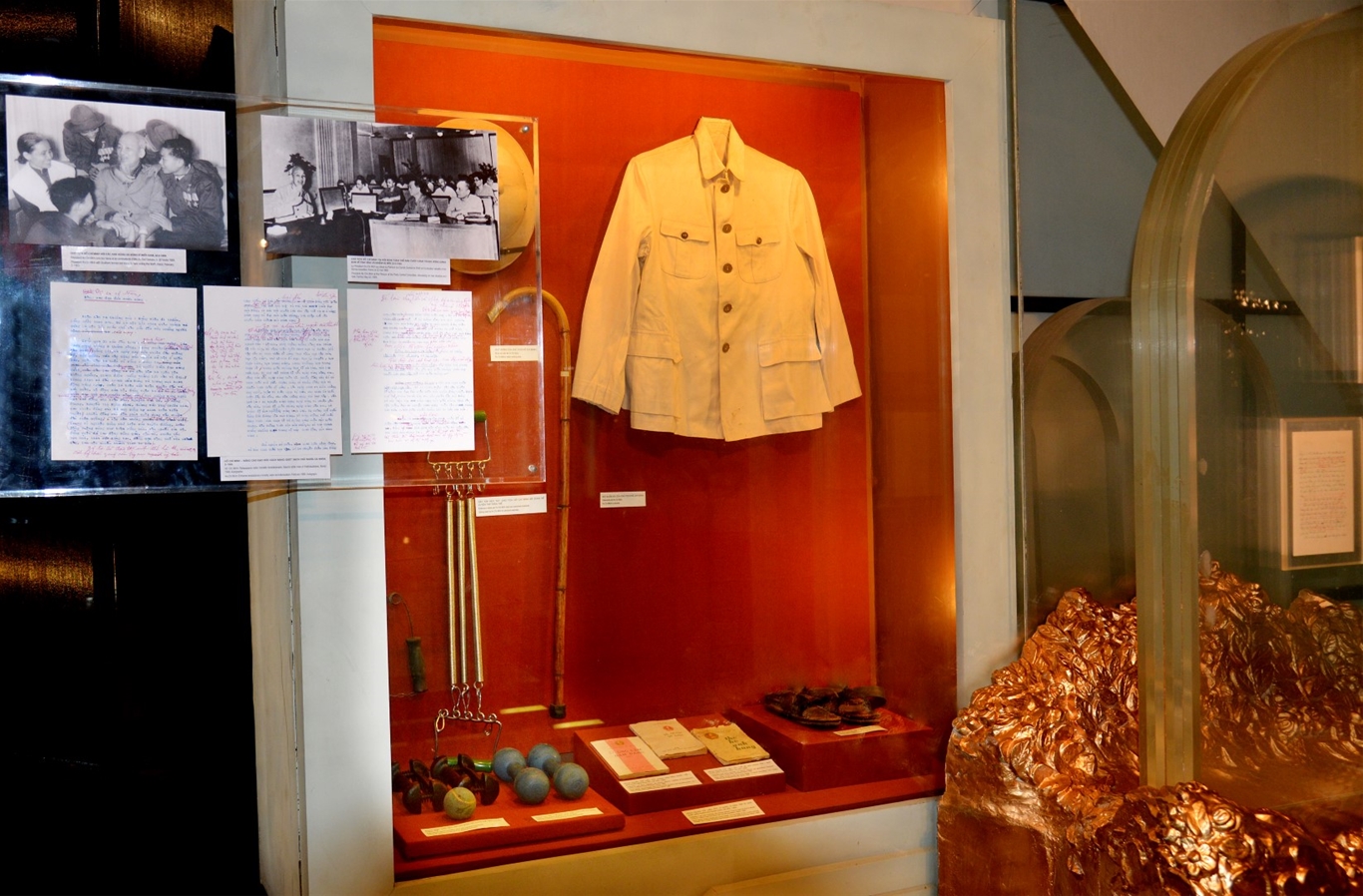
The current 9 exhibition rooms include 6 permanent thematic displays, showcasing documents, artifacts, and photographs related to President Ho Chi Minh’s biography, revolutionary activities, and themes.
Some of the exhibition themes include:
- Theme 1: The early life of President Ho Chi Minh, his patriotic and revolutionary activities, his adoption of Marxism-Leninism, and his determination to follow the revolutionary path for Vietnam (1890–1920).
- Theme 2: President Ho Chi Minh’s defense of V.I. Lenin’s ideology, his innovative application to issues of nationalism and colonialism, and the founding of the Communist Party of Vietnam (1920–1930).
- Theme 3: President Ho Chi Minh as the organizer and leader of the victorious August Revolution, the founder of the Democratic Republic of Vietnam, and his efforts to protect revolutionary power and resist French colonialism (1930–1954).
- Theme 4: President Ho Chi Minh’s leadership of the socialist revolution in the North, the resistance against American aggression, the liberation of the South, and the reunification of the country (1954–1969).
- Theme 5: The Vietnamese people’s realization of President Ho Chi Minh’s aspirations to liberate the South, unify the nation, and build a peaceful, independent, and prosperous Vietnam, contributing to the global revolutionary movement (1969–present).
Additionally, 3 exhibition rooms are dedicated to contemporary themes, addressing the political propaganda needs of specific periods.
Propaganda Activities and Discussions
In addition to its main functions, the Dragon Wharf – Ho Chi Minh Museum (HCMC Branch) hosts many meaningful activities. These include academic seminars, intergenerational discussions about President Ho Chi Minh, and thematic talks on world affairs. The museum also screens films, documentaries, memoirs, and publications related to his life and legacy.

It regularly organizes educational programs, introduces historical documents and memoirs, and prints commemorative calendars. The museum also holds ceremonies for new members joining the Communist Party, Youth Union, or Pioneer Team. Through these events, participants gain a deeper understanding of President Ho Chi Minh’s life and revolutionary career.
As an ideal venue for organizations and visitors to learn about Vietnamese history, the museum has become a lively hub for patriotic and cultural activities in Ho Chi Minh City. Guests are encouraged to take part and experience these inspiring programs firsthand.
Exhibition Room Dedicated to Southern Vietnam
The exhibition room highlighting President Ho Chi Minh’s affection for the people of Southern Vietnam is a deeply emotional space. It showcases photographs, letters, and gifts sent by him to the southern compatriots, as well as heartfelt gifts from the people of Southern Vietnam to President Ho Chi Minh, all reflecting his boundless compassion and trust.
Most visitors to this room find it impossible to hold back their emotions as they witness the profound connections displayed in these artifacts. This space encapsulates the love and mutual respect between President Ho Chi Minh and the southern Vietnamese people, leaving a lasting impression on all who visit.
Suggested destinations near Dragon Wharf
Bach Dang wharf
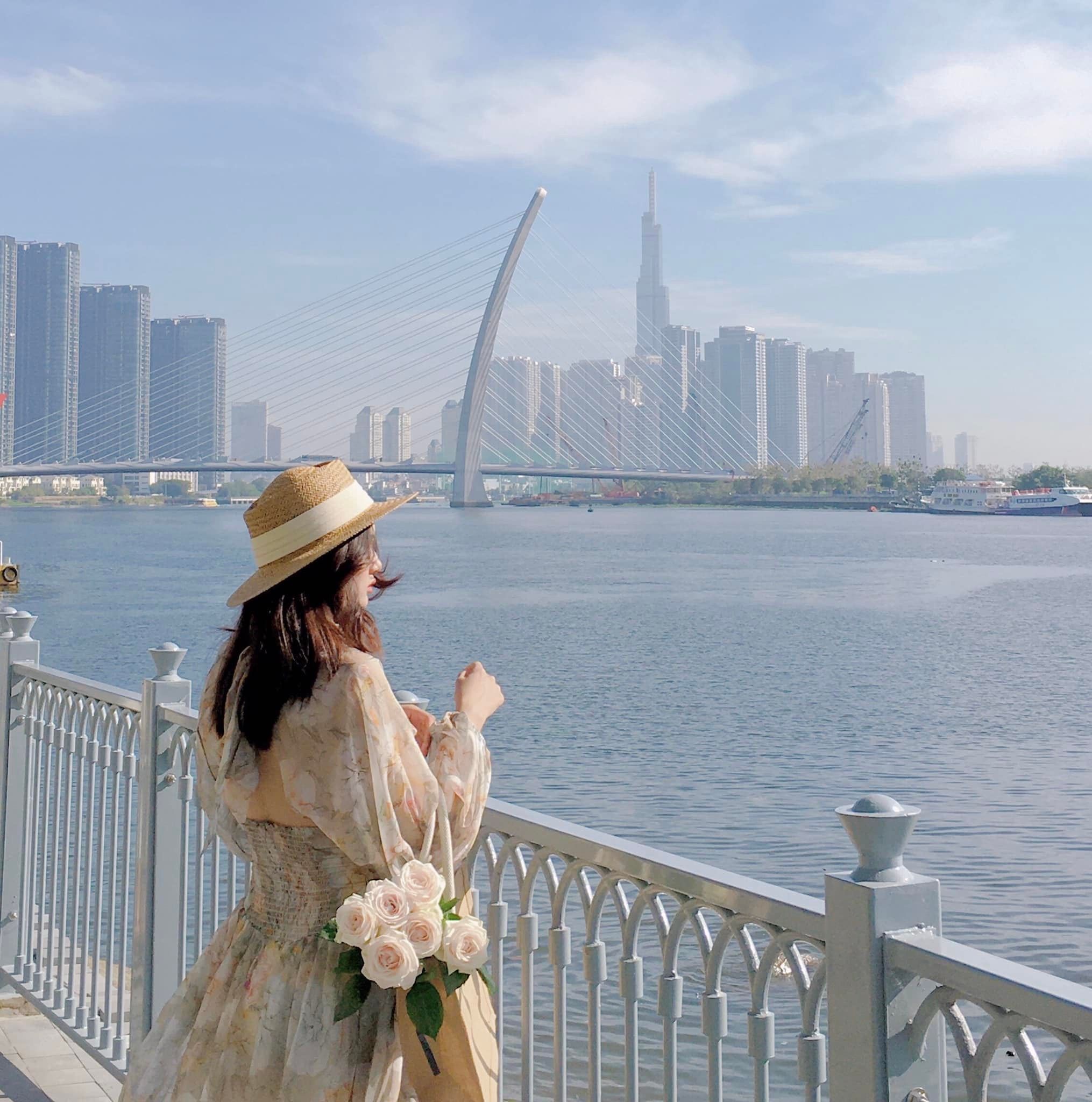
Less than 1km away, that is a very famous tourist destination – Bach Dang wharf. Coming to this place, visitors can not only visit beautiful scenery, but also enjoy Saigon cuisine. In the late afternoon, many tourists come here to take a walk, relax and drink coffee by the river.
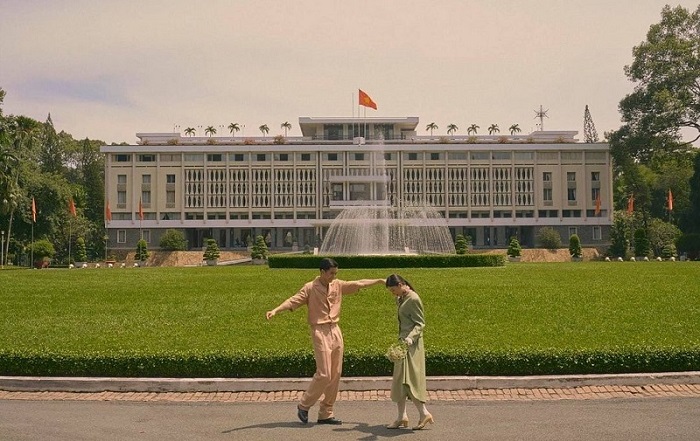
Independence Palace is only 2km . from Nha Rong Wharf
In the tourist map of Saigon, do not miss the location of the Independence Palace – where many documents are displayed, exhibition activities take place, and evidences are kept during the Vietnam war.
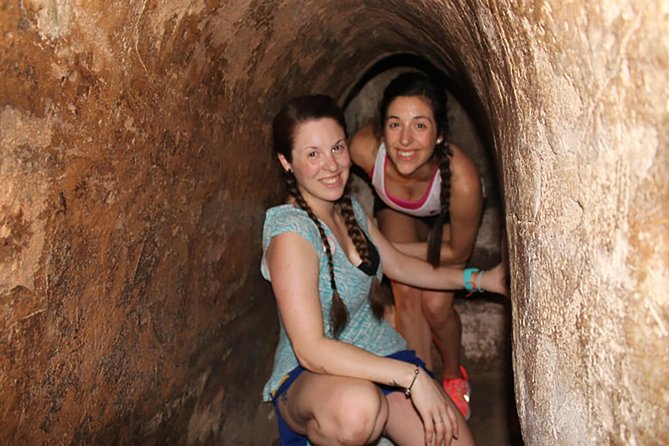
Traveling to Cu Chi Tunnels
Cu Chi Tunnels – an ideal destination for travelers who love to explore. This place is known as the “underground labyrinth”, an important base of our army during the resistance period. Today, the Cu Chi tunnels are open to tourism. Visitors can come here to visit, explore and enjoy many delicious and attractive dishes.
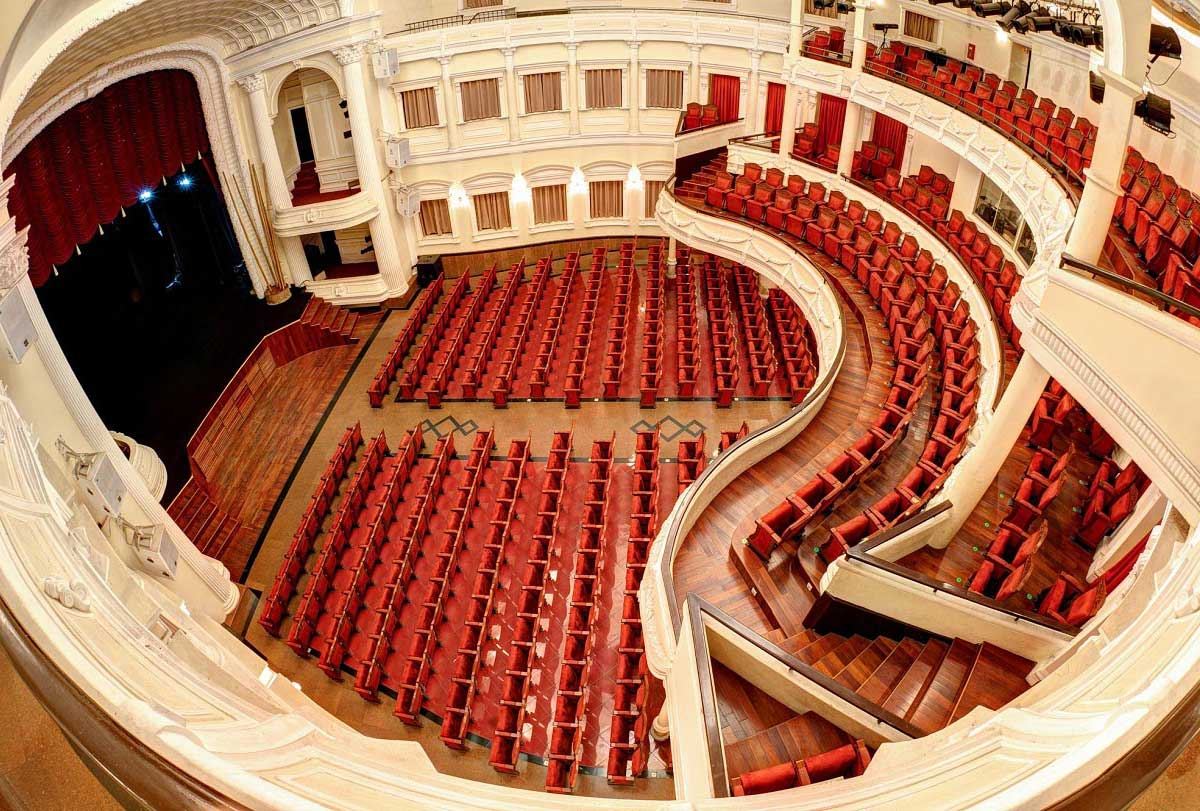
City Opera House
One of the famous tourist attractions in Saigon at night , prominent in the heart of Saigon, only 1.4km from Dragon Wharf is the City Opera House. This work owns impressive Gothic architecture, is a venue specializing in organizing art performances and major cultural activities of Sai Gon.
Things to Remember When Visiting Dragon Wharf – Ho Chi Minh Museum
This is a famous location with many valuable artifacts on display, so please keep the following in mind:
- Firstly, do not touch the displayed artifacts.
- Secondly, be mindful of the shared space and avoid making noise while visiting the museum. Additionally, be cautious and respectful when taking photos or videos inside.
- Moreover, when entering the museum, you will need to leave your backpacks and handbags in the designated area. This will ensure a more comfortable and secure visit.
- Finally, if you visit Saigon during the rainy season, it’s advisable to check the weather forecast beforehand so that you can adjust your schedule accordingly. In contrast, the museum is especially beautiful on sunny days, making it a perfect time to explore.
Conclusion
In this article, VnCarRentals.com has shared information about Dragon Wharf’s location and what makes it interesting. This place holds both educational value and a deep sense of gratitude for the great contributions of President Ho Chi Minh. Dragon Wharf is an important historical and cultural landmark in Vietnam, so if you have the chance to visit Ho Chi Minh City, don’t miss this significant site!