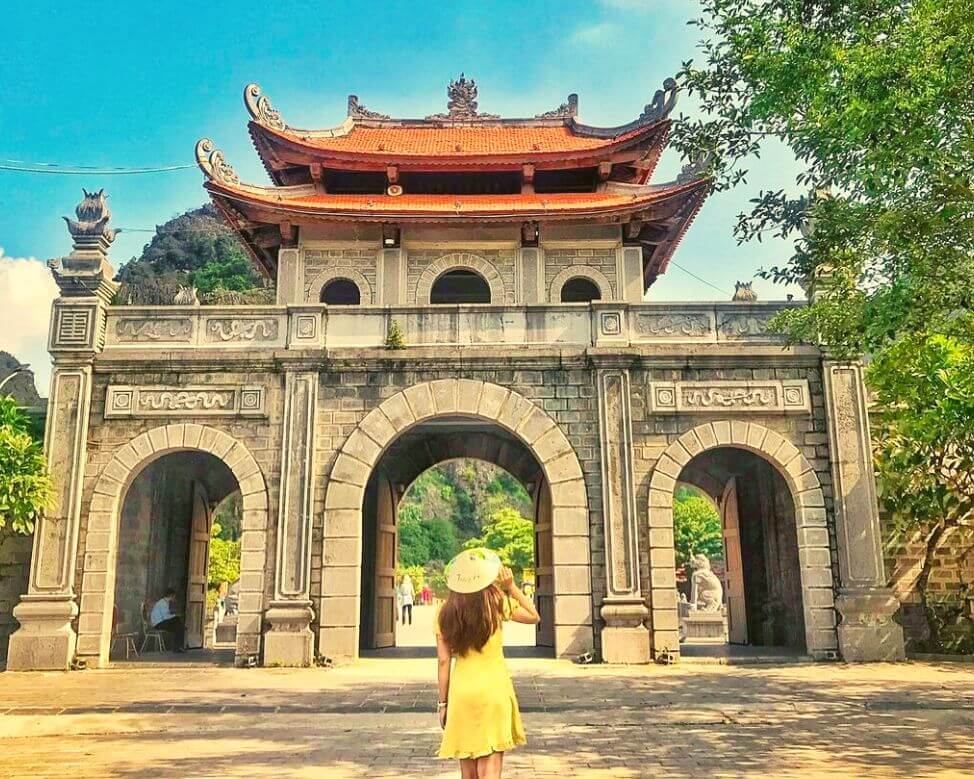
Amidst Vietnam’s poetic landscapes and rich history, Hue Royal Cuisine stands out as one of the nation’s most treasured cultural heritages. With its delicate flavors, meticulous cooking techniques, and elegant presentation, Hue Royal Cuisine offers travelers not only a royal feast for the taste buds but also a refined cultural experience.
Hue Royal Cuisine – The Essence of the Ancient Capital’s Culture
Hue Royal Cuisine is not only an integral part of the cultural heritage of the ancient capital but also a symbol closely tied to the land of the Perfume River and Ngu Mountain.
For Hue’s royal dishes, cooking is more than a daily task—it is an art. Every step requires delicacy, patience, and meticulous attention from the chef. The dishes are crafted from the freshest, most valuable ingredients, harmoniously combined with seasonal vegetables and traditional spices.
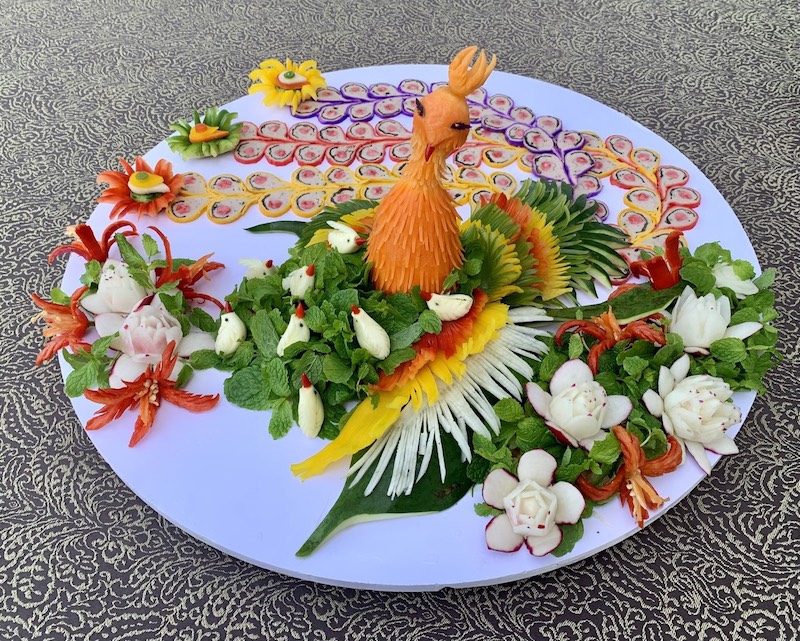
What makes Hue Royal Cuisine truly unique is not only its cooking techniques but also its elegant presentation. Each dish is beautifully arranged and skillfully displayed, turning a simple meal into a refined royal feast. This style of presentation reflects the sophistication, etiquette, and artistry of palace culture.
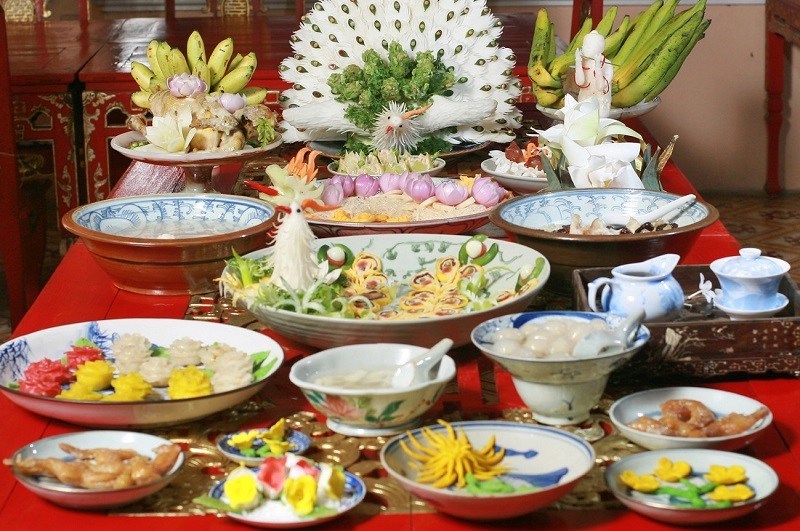
Beyond taste, Hue Royal Cuisine embodies profound cultural values. From ingredient selection and cooking methods to serving rituals, it showcases the quintessence of Hue’s traditions. Meals are often served in a specific order—from appetizers to main courses and desserts—each accompanied by unique utensils and decorative palace motifs.
Today, Hue Royal Cuisine remains a living symbol of Hue’s cultural identity. It is more than just enjoying delicious food; it is an immersive journey into the heritage of the ancient capital, where history, art, and gastronomy come together.
Delicacies Reflecting Royal Power
Hue Royal Cuisine comprises over 30 dishes, among which there is a group known as the “Eight Delicacies,” representing exceptionally rare and precious culinary creations. This group includes:
Royal Nem (Imperial Spring Rolls)
Standing at the pinnacle of the Eight Delicacies, Royal Nem embodies the quintessence and exceptional rarity of Hue Royal Cuisine. Nem is prepared from finely minced pork thigh, mixed with garlic, ginger, pepper, and various other spices. What sets this dish apart is the natural fermentation process, ensuring its fresh and delectable flavor. It showcases the sophistication and meticulousness of the chefs in preparing Hue Royal Cuisine, reserved only for royal feasts or significant ceremonies throughout the year.
Phoenix Sausage
Not only is Phoenix Sausage a remarkable dish in Hue Royal Cuisine, but it also epitomizes the refinement and meticulousness required in its preparation. This unique dish is exclusively served on royal banquet tables during special occasions or grand festivals. Phoenix Sausage is made from male phoenix meat, mixed with spices, wrapped in banana leaves, and steamed until fully cooked. It also holds medicinal properties, traditionally used to enhance the health of ancient kings.
Ox Skin
Ox Skin is a unique dish in Hue Royal Cuisine, boasting not only an enticing flavor but also reflecting the reverence and preciousness of the ancient capital’s culture. This dish is prepared from the tender part of the ox’s skin, offering high nutritional value.
Bear Paw
Bears are agile creatures known for their strong limbs, thus providing highly nutritious paw meat. In Hue Royal Cuisine, bear paws are combined with various ingredients and spices to create an appealing and esteemed dish.
Deer Tendon
Deer tendon is a rare and precious ingredient, featured prominently in the Eight Delicacies. Chefs stew deer tendons with bamboo shoots, dried shrimp, pork sausage, creating a unique and enticing dish with a distinctive flavor.
Giblets of Swiftlets
Giblets of swiftlets represent the rarest delicacy in Hue Royal Cuisine, showcasing the skillfulness and artistry of the chefs in both preparation and presentation. Due to their rarity, these giblets are exclusively served to the king.
Elephant Foot Meat
Elephant foot meat symbolizes the extravagance, refinement, and grandeur of the ancient royal court. This dish is served exclusively for the king, prepared from elephant feet combined with various ingredients and spices, creating a harmonious blend of flavor, color, and texture.
Swallow’s Nest
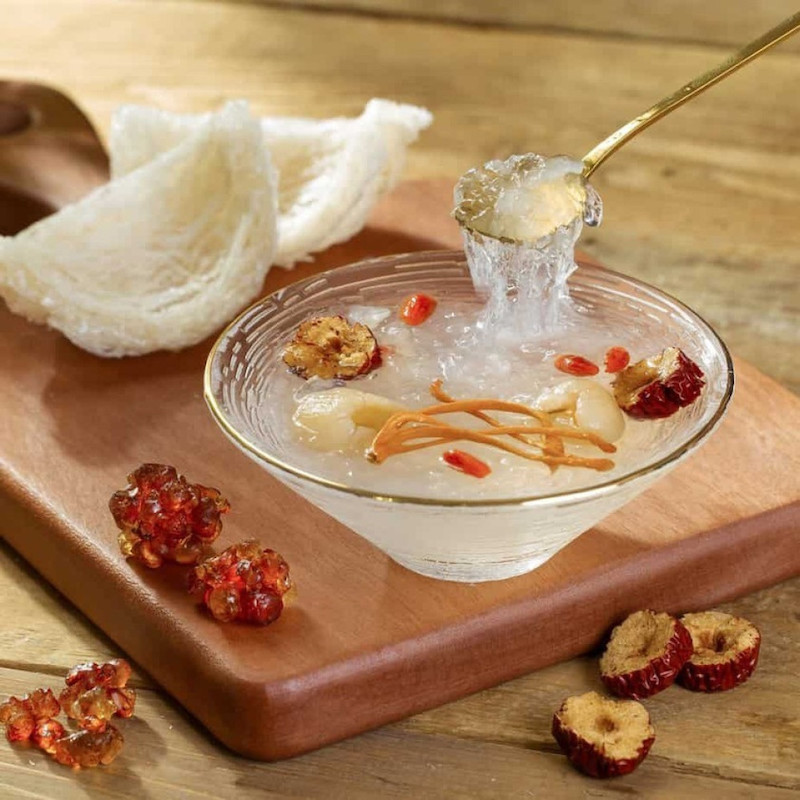
Swallow’s nest has been a premium ingredient of immense value throughout history. It epitomizes luxury and extravagance in Hue Royal Cuisine. Swallow’s nest is simmered with pigeon meat and combined with other ingredients to create innovative, enticing, and nutritious dishes.
The dishes symbolizing Hue Royal Cuisine today
To adapt to cultural conditions, weather, and the preferences of local people, nowadays, Hue Royal Cuisine has undergone some changes, leaning towards a gentler direction.
The dishes in the royal banquet nowadays include abalone, sturgeon, swallow’s nest, fish bubble, sea cucumber, liver, fish roe, and lobster. Particularly, these dishes are now lighter while still maintaining their sophistication and maximizing the nutritional value of each ingredient.
In today’s Hue Royal Cuisine, notable dishes include:
Royal Lotus Rice
Around the 18th century, lotus rice was originally a dish served to the Nguyen dynasty kings. However, today, lotus rice is one of the dishes on the Hue Royal Cuisine list.
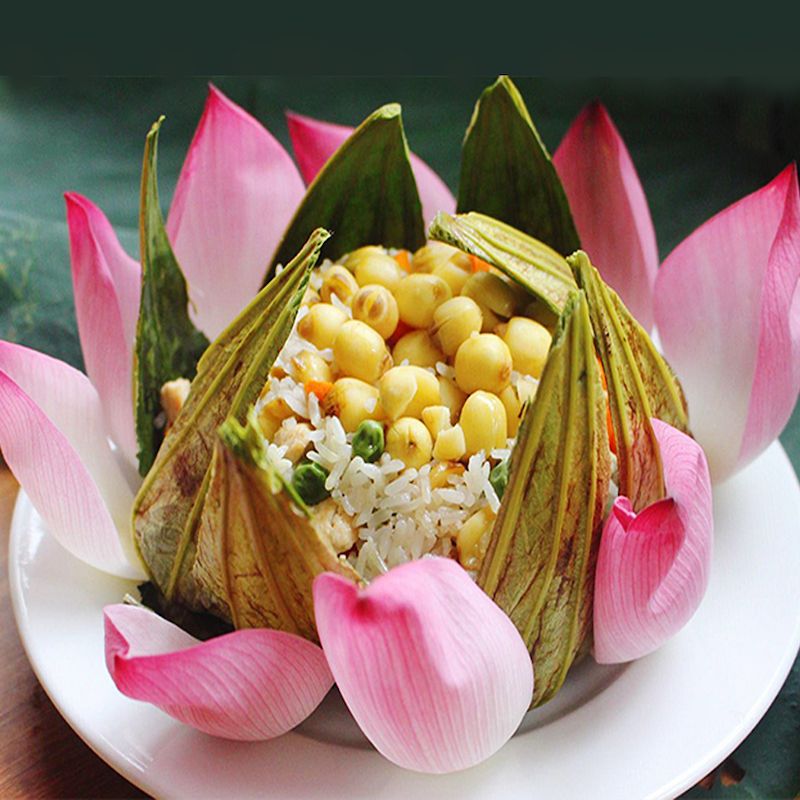
Inspired by blooming lotus flowers, lotus rice is visually appealing with a pleasant fragrance. It is made from fragrant rice from An Cuu village, cooked with lotus seeds, silk sausage, fried eggs, chicken, shrimp, and various other vegetables, skillfully wrapped in lotus leaves.
Lotus Seed and Longan Sweet Soup
With just three ingredients, lotus seeds, longan, and rock sugar, this is the most sophisticated and exquisite dish in today’s Hue Royal Cuisine.
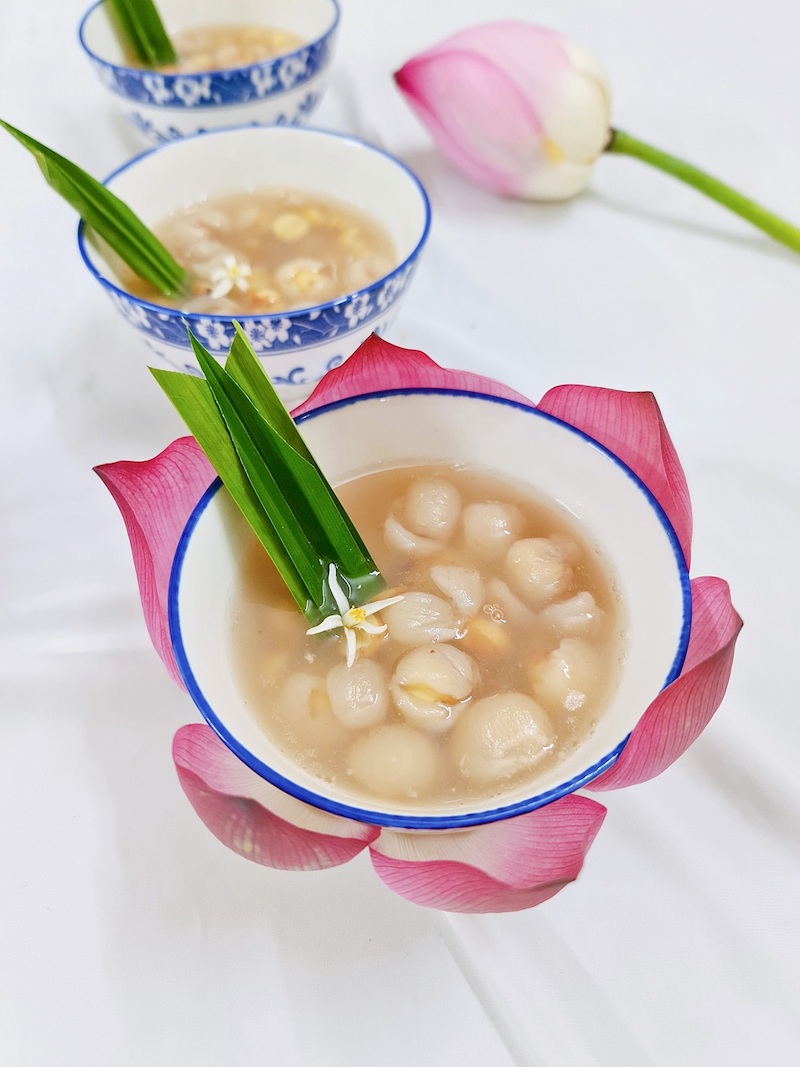
To make a delicious bowl of sweet soup, the chef only uses Hue lotus seeds and longan with crisp flesh. Lotus seeds are delicately nestled into longan resembling pearls, served with sweet and clear syrup, visually captivating.
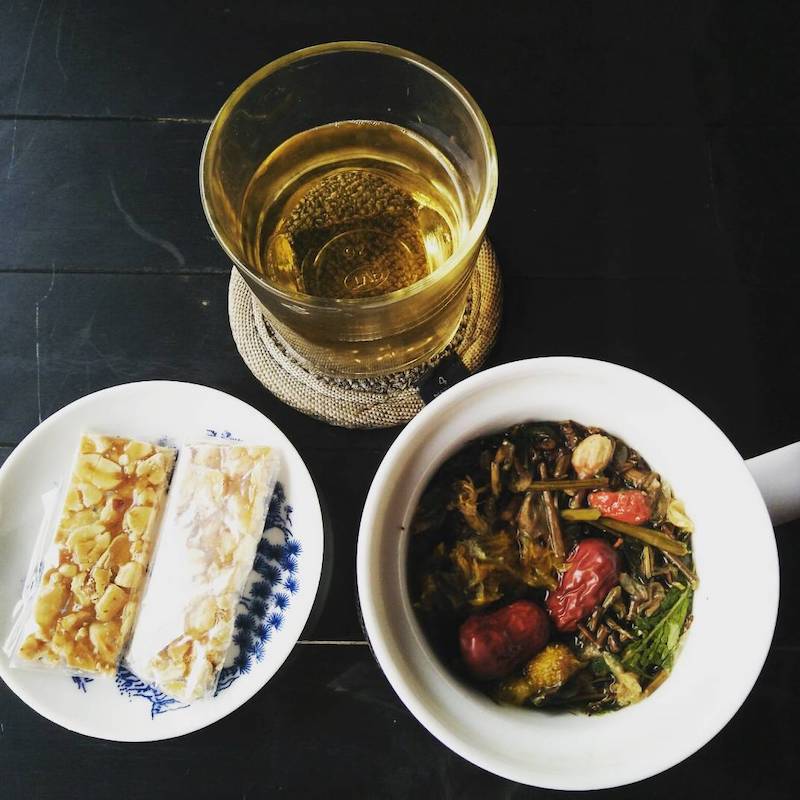
Hue Royal Tea
Hue Royal Tea, “Nhat Da De Vuong” (The Emperor’s First Cup), possesses a unique flavor, unmatched by any other tea. This beverage is brewed from rare and precious herbal ingredients, known for their health benefits.
Addresses to enjoy delicious Hue Royal Cuisine
To provide you with more options for exploring Hue’s cuisine during your trip, here are the 4 most famous Hue Royal Cuisine destinations that you can visit:
Royal Palace Restaurant
- Address: 38 Nguyen Sinh Sac Street, Vy Da Ward, Hue City
- Opening hours: 7 am – 11 pm
- Price range: 500,000 – 1,100,000 VND
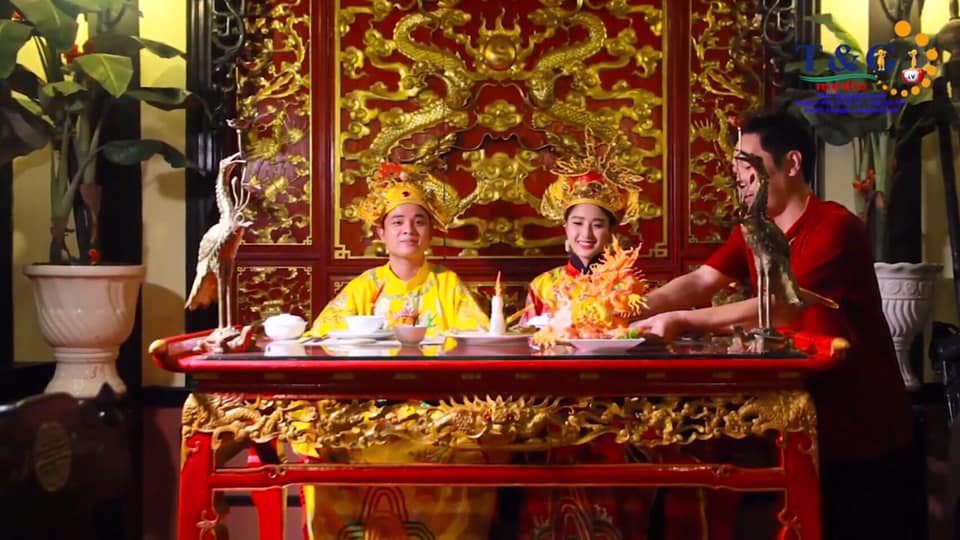
This is the most famous Hue Royal Cuisine restaurant in Vietnam, covering an area of up to 1200m2. The restaurant is designed in a royal architectural style, blending ancient and modern Eastern styles. Here, you can fully experience the unique culinary culture as the restaurant serves traditional royal dishes as well as European and Asian dishes, perfectly combining ancient and modern cuisine. Not only does it offer delicious food, but you also have the opportunity to try on ancient royal garments to fully enjoy the royal meal.
HAV Central Specialty Center
- Address: 26 Ha Huy Giap Street, Vy Da Ward, Hue City
- Opening hours: 8 am – 10 pm
HAV Central Specialty Center is a reputable and quality place to buy Hue gifts right in the city center. From specialties of the Central region such as lotus seeds, sour shrimp, and sesame cakes to various types of Hue camphor oils, all brands sold here are carefully quality-checked before being sold. Therefore, you can rest assured when buying Central specialties here. However, prices may be higher than the average market price.
Nam Chau Hoi Quan Restaurant
- Address: 4 Kim Long Street, Kim Long Ward, Hue City
- Opening hours: 10 am – 10 pm
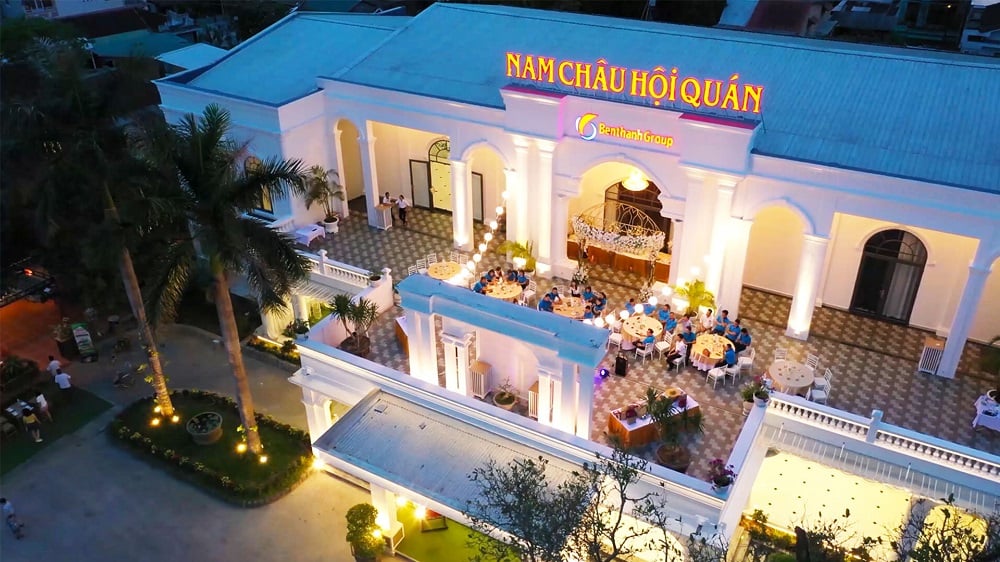
Nam Chau Hoi Quan Restaurant covers an area of up to 7500m2 with a spacious garden located by the peaceful and poetic Perfume River. This is the perfect choice if you want to find a quiet, private restaurant while still ensuring spaciousness and comfort. The restaurant is suitable for organizing events, weddings, conferences, birthdays, year-end parties, etc. Moreover, if you want to experience the dining style of the ancient royal court, Nam Chau Hoi Quan Restaurant is also an ideal choice. The dishes are beautifully decorated, elaborate, and delicately crafted in the style of the ancient royal court.
Y Thao Garden Restaurant
- Address: 3 Thach Han Street, Thuan Hoa Ward, Hue City
- Opening hours: 11 am – 9 pm
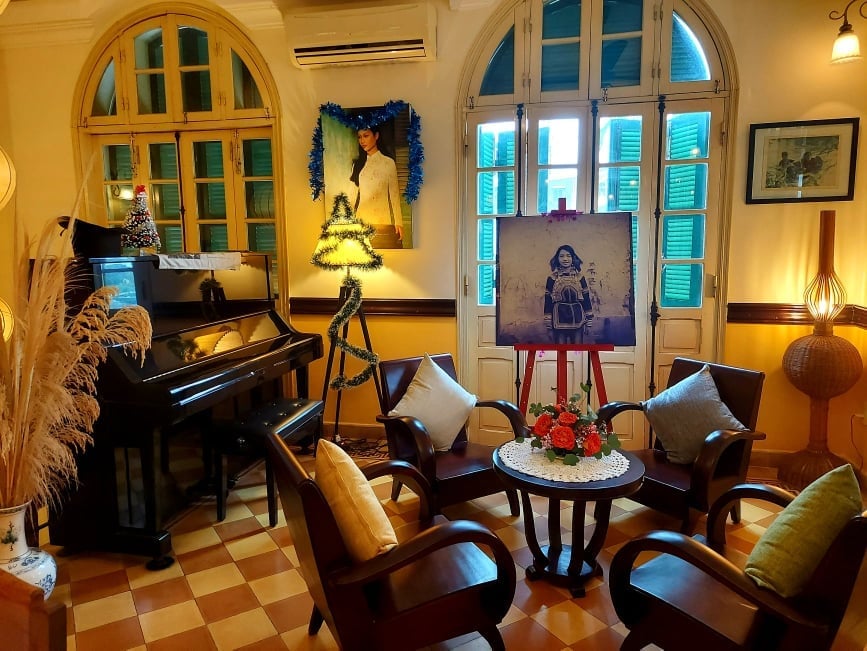
Y Thao Garden Restaurant is one of the best Hue cuisine restaurants in Vietnam. Located in the Imperial City area with the architecture of an ancient villa including two main areas: indoor space and garden. The menu at the restaurant is extremely diverse with vegetarian and non-vegetarian dishes such as cinnamon rolls, phoenix sausage, sausage, green bean cakes, etc., carefully cooked and beautifully decorated. You can also sign up for Hue-style royal court cooking classes at extremely affordable prices. If you want to explore Hue Royal Cuisine, Ý Thảo Garden Restaurant is an unmissable destination.
Vuon Khe Restaurant – Les jardins de la Carambole
- Address: 32 Dang Tran Con Street, Thuan Hoa Ward, Hue City
- Opening hours: 7 am – 11 pm
Les jardins de la Carambole Restaurant is located in an ancient French villa, the oldest French-Vietnamese restaurant in Hue. With classic French architecture and original brick walls from 1915, visitors here can feel the harmonious combination of traditional Hue cultural features and the modernity of Western style. The dishes here combine tradition and modernity, extremely delicious yet affordable. One special dish not to be missed is the delicious green mango salad combined with Mediterranean grilled mackerel sauce. There is also a small bar counter where customers can enjoy fine French wines. This is the ideal choice for guests who not only want to explore Hue Royal Cuisine but also seek a combination of various culinary cultures.
Conclusion
Hue Royal Cuisine is not only about irresistible flavors but also a living heritage that preserves the history, culture, and traditions of the ancient capital. Together with the poetic landscapes of Hue, its cuisine offers visitors unforgettable and meaningful experiences. When traveling to Hue, don’t miss the chance to indulge in the exquisite dishes of this former imperial city.